About
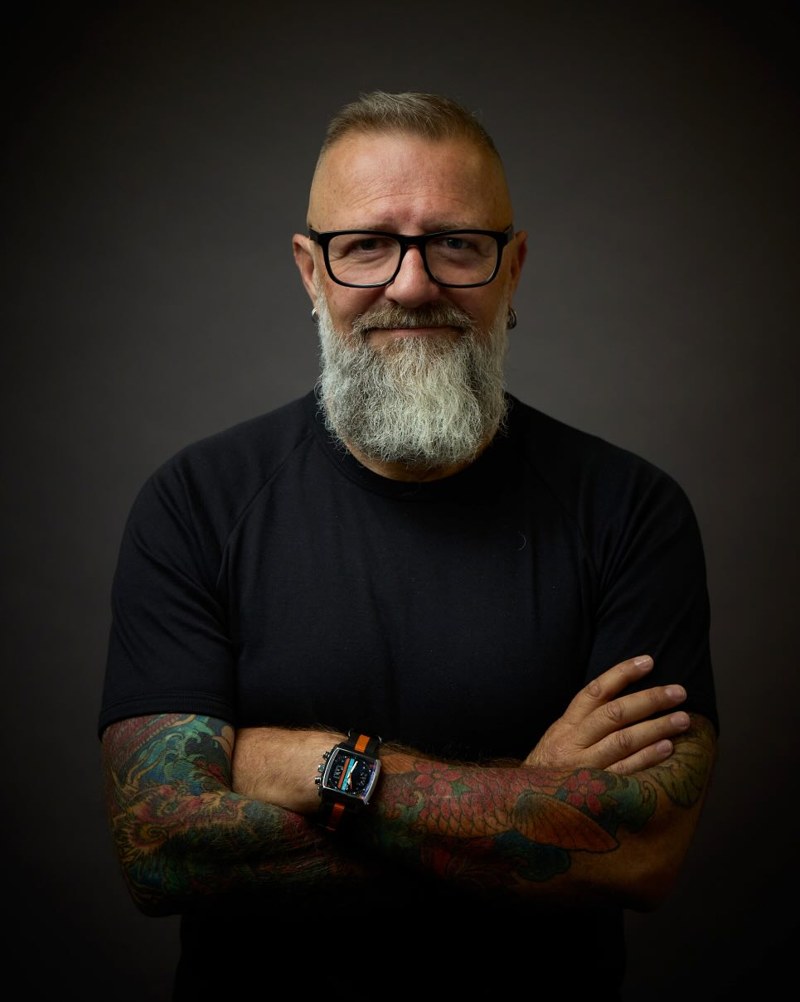
This page is the single source for my bio. Conference programs, press and profiles copy from here; if a bio elsewhere disagrees with this page, this page is right.
The 50-word bio (speaker intro)
Rob Linton is Founder and CTO of Sovrata, the AI data-governance venture out of Senetas, and originated its governed AI data platform. A former AWS Community Hero, published author, and two-time Australian iAwards winner, he has spent thirty years building infrastructure that keeps data provably under its owner's rules.
The 150-word bio (conference and press)
Rob Linton has built secure data infrastructure for three decades. He was co-founder and CTO of LogicalTech SysTalk, winner of the Australian 2010 iAwards and Asia-Pacific APICTA awards. In 2011 he wrote one of the first practitioner guides to AWS migration (Packt) and founded Australia's first AWS user group, now the country's oldest. Amazon named him an AWS Community Hero in 2015. His company Podzy, an encrypted, fully on-premise alternative to Dropbox that won the 2013 national iAward for Best IT Toolset, was acquihired by Senetas in 2015 (acquisition completed February 2017); its product became SureDrop, distributed globally by Thales. He is Founder and CTO of Sovrata, the AI data-governance venture out of Senetas, and originated its governed AI data platform. He is the sole inventor on US provisional patent applications covering parts of that work (patent pending), spoke at AISA AdelaideSEC 2025, and holds an Australian land-speed record.
The full story
I started where most infrastructure people started in the nineties: databases, networks, and other people's emergencies. By the 2000s I was co-founder and CTO of LogicalTech SysTalk in Melbourne, building systems-integration middleware. The work won the Australian iAwards in 2010 and an Asia-Pacific APICTA award, and it taught me the lesson that has run through everything since: the hard part of data is not moving it, it is controlling who can read it.
The nineties also included a detour: I began 1997 as a RAAF officer cadet in pilot training and withdrew eight months in. Eight months in uniform was enough to learn how defence thinks about trust.
Cloud arrived, and I went early. In 2011 I wrote one of the first practitioner guides to AWS migration, published by Packt, and founded Australia's first AWS user group in Melbourne. That group is now the oldest in the country. In 2015 Amazon named me an AWS Community Hero.
Then I did what looked, at the time, like swimming against the tide. While everyone moved data to the cloud, I built Podzy: an encrypted, fully on-premise alternative to Dropbox. The conviction was that some data should never leave the owner's custody. Sovereign data, before anyone used the phrase. Podzy won the 2013 national iAward for Best IT Toolset, ahead of Fujitsu and CSIRO, and in 2015 Senetas, the Melbourne company whose hardware encryptors have protected government and defence networks for nearly three decades, with distribution in more than sixty countries, acquihired the company (the acquisition completed in February 2017). Podzy became SureDrop, distributed globally by Thales.
The current work is the same problem, one level up. AI assistants and agents read everything they can reach, which makes the old question urgent again: what is this reader allowed to see? At Senetas I originated the platform behind Sovrata, the AI data-governance venture out of Senetas, where I am founder and CTO. Sovrata is built by Senetas, so the Senetas work above and the Sovrata work here are one thread. The platform governs what AI is allowed to read: a person and an AI agent are held to the same rules by the same policy engine. (Inside Senetas the platform's internal name is HAOS, which is how the essays on this site refer to it.) I am the sole inventor on US provisional patent applications covering parts of that work (patent pending).
Away from keyboards: I hold an Australian land-speed record, set on a 1972 Honda CB350 at Lake Gairdner in 2023. Two wheels, salt, and 78.119 mph of terror.